How Smaller Memory Care Homes Enhance Engagement and Daily Living
Business Name: BeeHive Homes of Maple Grove
Address: 14901 Weaver Lake Rd, Maple Grove, MN 55311
Phone: (763) 310-8111
BeeHive Homes of Maple Grove
BeeHive Homes at Maple Grove is not a facility, it is a HOME where friends and family are welcome anytime! We are locally owned and operated, with a leadership team that has been serving older adults for over two decades. Our mission is to provide individualized care and attention to each of the seniors for whom we are entrusted to care. What sets us apart: care team members selected based on their passion to promote wellness, choice and safety; our dedication to know each resident on a personal level; specialized design that caters to people living with dementia. Caring for those with memory loss is ALL we do.
14901 Weaver Lake Rd, Maple Grove, MN 55311
Business Hours
Families usually start looking at memory care when something particular breaks down in your home. A stove left on. Medications skipped or doubled. A front door opened at 3 a.m. Without any awareness of risk.
The top places people tend to tour are big assisted living communities, because they show up, greatly marketed, and often situated on primary roads. Those structures can be lovely, but many families go out thinking, "This feels like a hotel, not a home." When an individual is dealing with dementia, that distinction matters far more than the décor.
Over the last years, I have enjoyed a various design quietly prove itself: small memory care homes tucked into residential areas, typically licensed as assisted living or comparable residential care. Typically 6 to 16 citizens, one kitchen, a small backyard, personnel who understand every family by name.
These smaller sized homes are not instantly much better than every large neighborhood, however they do have structural advantages for engagement, security, and day to day lifestyle. The scale of the environment changes how individuals with dementia connect to their environments, to personnel, and to each other.
This short article looks carefully at how those smaller settings can improve day-to-day living, when they are a great fit, and what trade offs families ought to expect compared to bigger senior care options.
Why scale matters so much in dementia care
Dementia gradually narrows an individual's capability to filter information. Sound, motion, visual clutter, even strong patterns in carpet and wallpaper can become confusing or frustrating. What feels "vibrant" to a healthy adult can feel chaotic to somebody with mid stage dementia.
In a huge assisted living or memory care wing, numerous aspects assemble:
Residents typically walk long hallways that look comparable in every direction.
Dining rooms may serve 30 to 60 individuals at a time. Activities compete with overhead announcements, tvs, visitors, and passing staff.For somebody who has difficulty processing stimuli, that volume of input can result in withdrawal, agitation, or "exit looking for" behavior. I have seen locals in large neighborhoods spend most of their day parked in beehivehomes.com memory care a hallway chair, partially due to the fact that the environment itself is too intricate to navigate.
In a smaller sized memory care home, the environment is simplified without feeling institutional. There is normally one main living room, typically visible from the dining table and kitchen area. Personnel and citizens share the exact same areas, so there are less unknowns and fewer choices required simply to get through the morning.
That shift in scale modifications what becomes possible.
The feel of home and why it influences engagement
Familiarity is not a soft, emotional idea in dementia care. It is a practical tool. When the brain loses short-term memory and complex reasoning, it leans more heavily on deeply ingrained patterns: the shape of a kitchen area, the sound of dishes, the ritual of making coffee or folding towels.
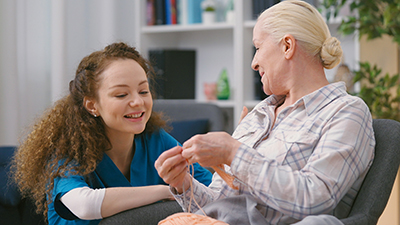
Smaller memory care homes can tap into those patterns in useful ways.
I remember a female I will call Marie, a previous elementary school teacher who had actually lived alone after her spouse passed away. She went into a large community first, with a well selected memory care unit. Within two weeks, she had actually stopped altering clothes regularly and withstood going to the huge dining-room. Her chart began to reveal "refusals," and personnel carefully recommended an antidepressant.
Her daughter moved her to a 10 bed home in a neighboring area. The first morning there, personnel invited Marie to "help set up for breakfast." They handed her a stack of napkins and simple place mats. She needed no instructions. Within minutes she was humming to herself, laying out the table simply as she had provided for years with her own household and trainees. That little act, in a home style dining-room, gave her a function instead of a passive seat at a restaurant size table.
In a smaller setting, engagement frequently originates from this sort of embedded opportunity, not just from set up activities. When personnel can see and respond to tiny openings for involvement, you get:
Quieter early mornings with natural discussion rather of screamed directions,
More movement without formal "exercise class," Significant jobs that feel like real life, not recreation.The physical scale of the home supports that. A staff member in the kitchen can quickly discover that a resident is roaming with uneasy energy and reroute it into drying meals, watering outdoor patio plants, or sweeping a little walkway.
Large buildings can mimic home like aspects, but a genuine house sized area removes much of the artifice. Homeowners do not need to interpret an activity calendar or long corridors to find something to do. Life is occurring right around them, and they can step into it.
Staffing patterns and relationships in smaller sized homes
The staffing design is where little memory care homes frequently diverge most sharply from traditional assisted living.
In a huge neighborhood, caregivers are normally designated to lots of citizens throughout several hallways. Dietary personnel run the kitchen. Activities personnel lead programs. Housekeeping personnel clean rooms. That specialization has benefits, yet it can fragment relationships. Residents might see a lots deals with in a single afternoon, none of whom feel like "my person."
In a smaller home, the same staff generally wear several hats. The caregiver who helps with bathing in the morning might also sit at the table during lunch, load the dishwasher, then lead a basic music activity later on. That continuity has a couple of effective effects:
Families can reach the exact same familiar employee to ask, "How did Mom truly do this week?" instead of hearing from whoever occurs to be on duty.
Staff notice subtle modifications early, such as a small shift in gait, new confusion at dusk, or a decline in appetite. Locals experience less complete strangers touching them, which reduces anxiety during intimate care like bathing or toileting.I often tell families to listen for how personnel talk about locals. In a little home, you are most likely to hear, "This is Mr. Jones. He likes his coffee strong and enjoys discussing his years in the Navy." In a big setting, the language can drift toward task based shorthand such as "She's a two person transfer, needs complete help."
Neither description is malicious. It is a reflection of scale and workflow. But for somebody living with dementia, being called an entire person is not simply emotionally reassuring, it directly improves care.
When staff know histories carefully, they can utilize that knowledge to defuse agitation and create engagement. A caregiver who bears in mind that Mrs. Singh used to run a clothes boutique can invite her to assist choose attire or fold headscarfs. That type of person focused engagement is simpler to provide when 8 to 12 homeowners share a group of constant caregivers.
Daily rhythm in a smaller memory care home
The rhythm of the day often tells you more about a memory care setting than any brochure.
In large assisted living or senior care communities, schedules tend to revolve around structure large systems: meal delivery to lots of locals, group activity calendars, transportation schedules, and staffing shift modifications. The result is that residents should fit their lives around those systems.
In a little memory care home, personnel can flex the schedule around the homeowners. Breakfast may take place in waves for early risers and later on sleepers. If 3 residents regularly nap finest after lunch, staff can adjust care jobs so those hours stay protected. You see fewer residents lined up in wheelchairs waiting on meals or showers, since there is simply less institutional machinery to feed.
One 8 bed home I dealt with kept an easy whiteboard in the kitchen area with each resident's favored wake time, bathing pattern, and "finest time of day." Staff checked it as naturally as a grocery list. That board prevented a well meaning caregiver from waking a night owl at 6:30 a.m. "to get a running start on the day," which might otherwise trigger a cycle of fatigue and agitation.
The home's little size also made flexible activities possible. When a resident with frontotemporal dementia ended up being agitated and loud during afternoons, staff could move a light treat and a walk into an earlier time, then provide quiet one to one time with earphones and familiar music during his most upset hours. That individual change would be far harder in a building where one activities coordinator is accountable for 50 residents.
Rhythm impacts engagement in both directions. A calm, predictable flow of the day makes it simpler for citizens to participate. In turn, engaged residents are less likely to experience behavioral spikes that disrupt that stability.
Safety, roaming, and liberty of movement
Families often assume that a bigger, more safe and secure memory care system will be much safer. The reasoning seems simple: more staff, more video cameras, more regulated access. The truth is subtler.
People with dementia require both security and autonomy. Too much limitation, and they lose muscle strength, balance, and the sense that they have any control over their day. Excessive flexibility in an environment they can not analyze, and they get lost, fall, or leave the structure without understanding the risk.
Smaller homes typically strike a practical balance. The physical footprint is much easier to browse: a brief hallway, a noticeable living-room, kitchen area in the center, outside area simply beyond glass doors. For homeowners who like to pace, staff can watch on them practically continuously without resorting to alarms or locked interior doors.
I remember a gentleman who had been identified a "extreme elopement threat" at his previous big neighborhood. There, he consistently tried to leave through the hectic front lobby, typically when visitors were arriving. He was relocated to a 12 resident memory care home with a fenced backyard and circular walking path. In that home, staff simply opened the back entrance. He might walk loops outdoors for long stretches, come back inside when all set, and rarely approached the front door at all. His "elopement risk" turned out to be a basic need to walk with function in an environment that made good sense to him.
This is not to state smaller homes are constantly more secure. The model relies greatly on attentive staff who understand dementia care. If staffing is thin, a single caregiver may still struggle to supervise cooking area tools, hot liquids, and outdoor areas. Because of that, households should not presume that "small" equals "secure" without asking direct questions about staffing ratios, training, and nighttime coverage.
Still, when done well, the design and exposure of a smaller home can offer both more secure roaming and more typical liberty of motion than lots of larger facilities have the ability to offer.
Emotional environment and social dynamics
The social material of a memory care home can either reinforce identity or erode it. In a big community, the large variety of citizens can produce cliques, anonymous clusters of individuals sitting together without actually connecting, or a revolving door of next-door neighbors as individuals move in and out.
In a smaller sized setting, the group tends to support. 10 or twelve people, with a mix of cognitive and physical capabilities, become familiar faces really rapidly. While not everyone ends up being good friends, residents do acknowledge "their people."
I have seen a quiet sense of mutual seeing establish in these homes. One lady in early stage dementia would gently remind her next-door neighbor with advanced illness to finish her soup or hold the hand rails on the way to the bathroom. She could do this respectfully because they shared almost every meal and many hours in the very same living-room. That connection created opportunities for natural peer assistance that structured "friend systems" frequently fail to achieve.
The other side is that a negative dynamic can likewise take more powerful hold in a small setting. A resident who is extremely loud, physically aggressive, or susceptible to inappropriate comments can affect the entire house, whereas a big building may have more options to different or redirect that person.
This is one of the trade offs families must weigh. Smaller sized memory care homes typically feel more intimate and emotionally grounded, but they likewise have less ability to "hide" challenging habits. The key concern to ask potential homes is how they deal with those situations: Do they have access to psychological health or dementia experts? How do they support staff emotionally? What requirements lead them to ask a resident to transfer to a greater level of care?
Medical care, treatments, and advanced needs
From a strictly medical perspective, small memory care homes and larger assisted living or senior care communities deal with comparable constraints. Neither is a hospital. Neither can change proficient nursing when a resident needs intensive wound care, complex feeding tubes, or constant medical monitoring.
Where the distinction frequently appears is in how doctor communicate with the setting.
Physicians, nurse specialists, physical therapists, and hospice suppliers checking out a small home regularly see the exact same residents each time and come to know the staff well. Communication lines reduce. When personnel report, "She has been more sleepy and less thinking about food for three days," a service provider can rely on that observation as part of a continuous relationship.
In huge structures, company visits can feel more like medical rounds. Notes are left in electronic systems, messages travel through multiple hands, and subtle patterns may be more difficult to find amidst the volume of data.
That said, bigger neighborhoods often have more robust in house offerings: onsite clinics, regular therapy days, group exercise led by qualified instructors, and transport to specialist appointments. Small homes normally depend on outdoors companies who come into the home or households who arrange transport individually.
Families ought to think ahead about most likely trajectories. An individual in early or mid phase dementia who is otherwise fairly healthy can typically do very well in a little home for several years. Someone with innovative heart failure, unrestrained diabetes, or a history of regular hospitalizations might ultimately require the stronger medical facilities of a proficient nursing facility, despite cognitive status.
Smaller homes often partner with hospice or home health companies to bridge part of this space. Hospice, in specific, can layer sign management, nursing oversight, and household support on top of the day-to-day caregiving the home provides.
Cost, regulations, and what households should ask
Cost comparisons in between small memory care homes and large assisted living communities differ widely by region, but a few patterns recur.
Per month, lots of small homes fall in the same basic range as dedicated memory care systems within larger buildings. They may be a little more or somewhat less costly, depending upon regional property and staffing markets. What changes more noticeably is how the fee structure is built.
Some small homes utilize an "all inclusive" rate that covers space, board, and standard help with individual care. Others charge a base rate plus tiered care fees as requirements increase. Bigger neighborhoods typically lean greatly on tiered structures, where the initial price appears lower up until families understand that almost every type of dementia care, from medication management to incontinence assistance, activates an extra fee.
Regulatory structures also vary. Lots of small memory care homes operate under assisted living or residential care policies, which can vary from one state to another. In some areas, this permits a very home like environment with strong versatility. In others, it can indicate fewer mandated staffing requirements or less regular examinations than big facilities face.
Families need to not assume that every little home fulfills the very same professional standards. The intimacy of the setting can conceal both quality and overlook. Careful concerns matter more than marketing language.
A short, focused list of concerns can help throughout tours:
-
Staffing and training
Inquire about personnel to resident ratios for days, nights, and nights, and how many staff on each shift are fully trained in dementia care, not simply "oriented" to the house.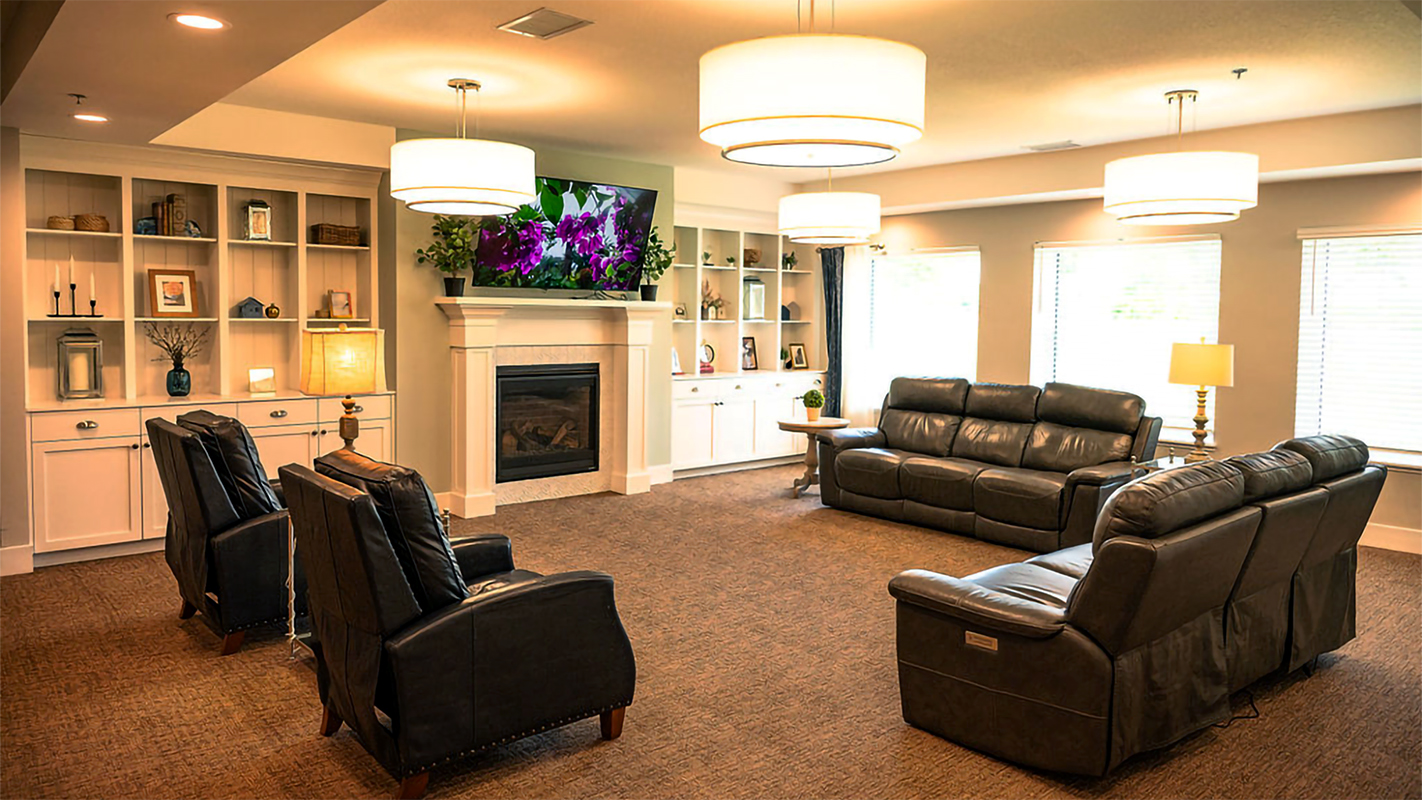
-
Daily life and engagement
Demand specific examples of how locals with various capabilities invest their mornings and afternoons, consisting of how the home involves those who no longer join group activities but are still awake and alert. -
Medical coordination and emergencies
Find out which doctors or nurse professionals follow locals, how frequently they visit, and what happens if a resident's condition modifications all of a sudden during the night or on a weekend. -
Family communication
Ask how and when staff contact households about routine updates, small concerns, and major occurrences, and whether there is a single main contact for your enjoyed one. -
Limits of care
Clarify what modifications would prompt the home to recommend transfer to a higher level of care, such as duplicated hospitalizations, aggressive habits, or innovative medical equipment.
Listening to how staff response these concerns will tell you as much as the material itself. Expect concrete examples over unclear assurances.
When a smaller sized memory care home is the ideal fit
No single design matches everyone with dementia. Still, there are patterns in who tends to thrive in smaller sized homes.
People who resided in modest homes and value personal privacy and routine typically settle more quickly than in resort style senior care environments. Those who end up being overwhelmed by noise or crowds usually benefit from the calmer scale. Individuals who take pleasure in basic, hands on jobs like helping in the cooking area, folding laundry, or tending a little garden can discover day-to-day purpose more quickly when the home's size makes those activities noticeable and accessible.
Small homes can also be a mild transition for families who have actually been supplying care themselves and are wrestling with regret. Instead of moving a relative into a large, unknown complex, they are inviting them into another home, with an odor of real cooking and the sound of a tv in the background. That emotional bridge matters, both for the person with dementia and for the family's long term relationship with the care team.
At the very same time, there are situations where a bigger neighborhood or different level of dementia care might be better:
A person who yearns for frequent getaways, big group socializing, and high energy occasions might feel bored in a peaceful house setting.
Someone with high acuity medical needs might need on site nursing that many small homes can not provide. Households who expect needing short term coverage for restricted periods may prefer bigger communities that clearly advertise respite care options.The crucial action is to match the environment to the person's history, personality, and present phase of dementia, rather than to a generic idea of "the best" senior care.
Final thoughts for families weighing their options
Choosing memory care is seldom a theoretical workout. It occurs after a fall, a wandering occurrence, or months of exhausted caregiving. Emotions run high, and the market's shiny marketing can be confusing.
It helps to walk into each setting with a clear sense of what you are searching for: not just security, but day-to-day engagement, human connection, and a rhythm of life that respects who your loved one has always been. Smaller sized memory care homes can master those areas specifically due to the fact that their size limits how institutional they can become.
Look past the furniture and paint colors. See how personnel talk to homeowners, and how locals respond. Notification whether life seems to stream naturally, with little moments of purpose scattered through the day, or whether people mainly sit waiting for the next scheduled activity or meal.
Whether you pick a small home, a bigger assisted living community with a dedicated memory care unit, or a mix of respite care and in home support along the method, the goal is the same: a life that feels reasonable, safe, and quietly significant to the individual living it.
BeeHive Homes of Maple Grove provides assisted living care
BeeHive Homes of Maple Grove provides memory care services
BeeHive Homes of Maple Grove is a memory care home for seniors
BeeHive Homes of Maple Grove provides respite care services
BeeHive Homes of Maple Grove offers 24-hour support from professional caregivers
BeeHive Homes of Maple Grove offers private bedrooms with private bathrooms
BeeHive Homes of Maple Grove provides medication monitoring and documentation
BeeHive Homes of Maple Grove serves dietitian-approved meals
BeeHive Homes of Maple Grove provides housekeeping services
BeeHive Homes of Maple Grove provides laundry services
BeeHive Homes of Maple Grove offers community dining and social engagement activities
BeeHive Homes of Maple Grove features life enrichment activities
BeeHive Homes of Maple Grove supports personal care assistance during meals and daily routines
BeeHive Homes of Maple Grove promotes frequent physical and mental exercise opportunities
BeeHive Homes of Maple Grove provides a home-like residential environment
BeeHive Homes of Maple Grove creates customized care plans as residents’ needs change
BeeHive Homes of Maple Grove assesses individual resident care needs
BeeHive Homes of Maple Grove accepts private pay and long-term care insurance
BeeHive Homes of Maple Grove assists qualified veterans with Aid and Attendance benefits
BeeHive Homes of Maple Grove encourages meaningful resident-to-staff relationships
BeeHive Homes of Maple Grove delivers compassionate, attentive senior care focused on dignity and comfort
BeeHive Homes of Maple Grove has a phone number of (763) 310-8111
BeeHive Homes of Maple Grove has an address of 14901 Weaver Lake Rd, Maple Grove, MN 55311
BeeHive Homes of Maple Grove has a website https://beehivehomes.com/locations/maple-grove/
BeeHive Homes of Maple Grove has Google Maps listing https://maps.app.goo.gl/n99VhHgdH879gqTH8
BeeHive Homes of Maple Grove has Facebook page https://www.facebook.com/BeeHiveMapleGrove
BeeHive Homes of Maple Grove won Top Memory Care Homes 2025
BeeHive Homes of Maple Grove earned Best Customer Service Award 2024
BeeHive Homes of Maple Grove placed 1st for Senior Living Memory Care Communities 2025
People Also Ask about BeeHive Homes of Maple Grove
What is the monthly room rate at BeeHive Homes of Maple Grove?
The monthly rate depends on each resident’s care needs, room selection, and personalized care plan. Before move-in, we complete an initial assessment to better understand your loved one’s health, safety, mobility, personal care, and memory care needs. From there, we provide clear pricing based on the level of support required. Our goal is to keep families informed with transparent pricing and no hidden fees.
Does BeeHive Homes of Maple Grove only offer Memory Care?
BeeHive Homes of Maple Grove offers enhanced assisted living with specialized memory care support. We are experienced in caring for seniors living with Alzheimer’s, dementia, and other forms of memory loss, while also welcoming residents who may not have a dementia diagnosis but would benefit from a secure, highly personalized care environment. Our homelike setting is especially helpful for seniors who are earlier in their dementia journey, as well as those who need extra structure, daily support, meaningful routines, and compassionate oversight. Each resident receives care tailored to their needs, helping them feel safe, supported, and truly at home.
Can residents stay at BeeHive Homes through the end of life?
In many cases, yes. Our goal is to help residents remain in a familiar, comforting environment for as long as we can safely meet their needs. There may be exceptions if a resident requires 24-hour skilled nursing services or has needs that cannot be safely supported in our memory care setting. When care needs change, our team works closely with families, physicians, hospice providers, and other care professionals to help make the next step as smooth and compassionate as possible.
Do you have nurses on staff?
Yes. BeeHive Homes of Maple Grove has a team of Registered Nurses who provide care oversight, assessments, care planning, and coordination with other healthcare professionals. The typical RN schedule is Monday through Friday from 7:00 AM to 6:00 PM and weekends from 9:00 AM to 5:30 PM, with a Registered Nurse on call after hours. This helps families feel confident that their loved one’s changing memory care needs are being monitored with attention and compassion.
What are the visiting hours at BeeHive Homes of Maple Grove?
Family and friends are welcome to visit anytime. Because routine is especially important for residents with memory loss, we encourage visitors to avoid scheduled meal times when possible: 8:00 AM, 11:30 AM, and 4:30 PM. Visits are an important part of helping residents feel connected, loved, and at home.
Are the rooms private?
Yes. Residents enjoy private memory care suites with fully accessible bathrooms. Families are encouraged to personalize the room with familiar furniture, photos, keepsakes, and comforting touches that help the space feel like their loved one’s own. BeeHive Homes of Maple Grove also offers accommodations for couples who wish to remain together, depending on availability./p>
How do I schedule a tour or learn more?
You can call BeeHive Homes of Maple Grove at 763-310-8111 to ask questions, discuss availability, or schedule a personal tour. Visiting in person is one of the best ways to experience the warmth of the home, meet the care team, and see whether BeeHive Homes is the right fit for your loved one.
What makes BeeHive Homes of Maple Grove different from larger memory care communities?
BeeHive Homes of Maple Grove offers memory care in a smaller, more personal residential setting. Residents are known by name, supported according to their individual routines, and cared for in a warm environment that feels like home. From private suites and home-cooked meals to life enrichment activities and secure spaces, our approach is centered on comfort, dignity, and meaningful connection.
Where is BeeHive Homes of Maple Grove located?
BeeHive Homes of Maple Grove is conveniently located at 14901 Weaver Lake Rd, Maple Grove, MN 55311. You can easily find directions on Google Maps or call at (763) 310-8111 Monday through Sunday 7am to 7pm.
How can I contact BeeHive Homes of Maple Grove?
You can contact BeeHive Homes of Maple Grove by phone at: (763) 310-8111, visit their website at https://beehivehomes.com/locations/maple-grove, or connect on social media via Facebook
Weaver Lake Community Park provides a serene lakeside walk perfect for assisted living and memory care residents to enjoy fresh air and gentle scenery during senior care and respite care outings.